How to Choose Paint for Melbourne’s Changing Indoor Conditions
Indoor paint needs to suit more than a room’s colour scheme. Light, humidity, ventilation and everyday use all affect how a finish looks and performs. Melbourne’s changeable weather can influence indoor drying conditions too, particularly when windows stay closed or a room is damp. A little assessment before buying paint can help homeowners and property managers choose appropriate products and plan the work sensibly.
Start with the room’s conditions
Consider how the space is used and what its surfaces encounter. A bedroom may need a different level of washability from a busy hallway, while a bathroom is regularly exposed to moisture. Kitchens and laundries can collect grease, splashes or condensation. Check the paint label for its recommended uses, surface compatibility and cleaning guidance rather than assuming one product suits every room.
Ventilation matters during application and drying. Where practical, allow fresh air to circulate while following the product instructions. Avoid painting a surface that is damp, dirty or unusually cold, and investigate persistent condensation or leaks before covering the area. Paint is not a substitute for resolving moisture problems.
Match the finish to daily wear
Paint sheen affects both appearance and maintenance. Lower-sheen finishes can soften the look of walls, while more washable finishes may be useful where marks are likely. Glossier surfaces can highlight dents and uneven preparation, so inspect the wall in good light before choosing. For trim, doors and other frequently handled areas, select a coating intended for that surface and expected wear.
For commercial interiors, consider cleaning routines, foot traffic and how the space operates. A corridor or reception area may need a more durable finish than a lightly used office. Confirm that the selected coating is suitable for the substrate and that the application schedule allows the space to be used safely.
Check the surface before painting
Good surface preparation supports an even result. Remove dust and grease, scrape loose or flaking paint, and fill and sand defects as appropriate. If the existing coating is glossy, damaged or stained, the product instructions may call for additional preparation or a primer. Test uncertain surfaces in a small, inconspicuous area before proceeding.
Plan colour and application
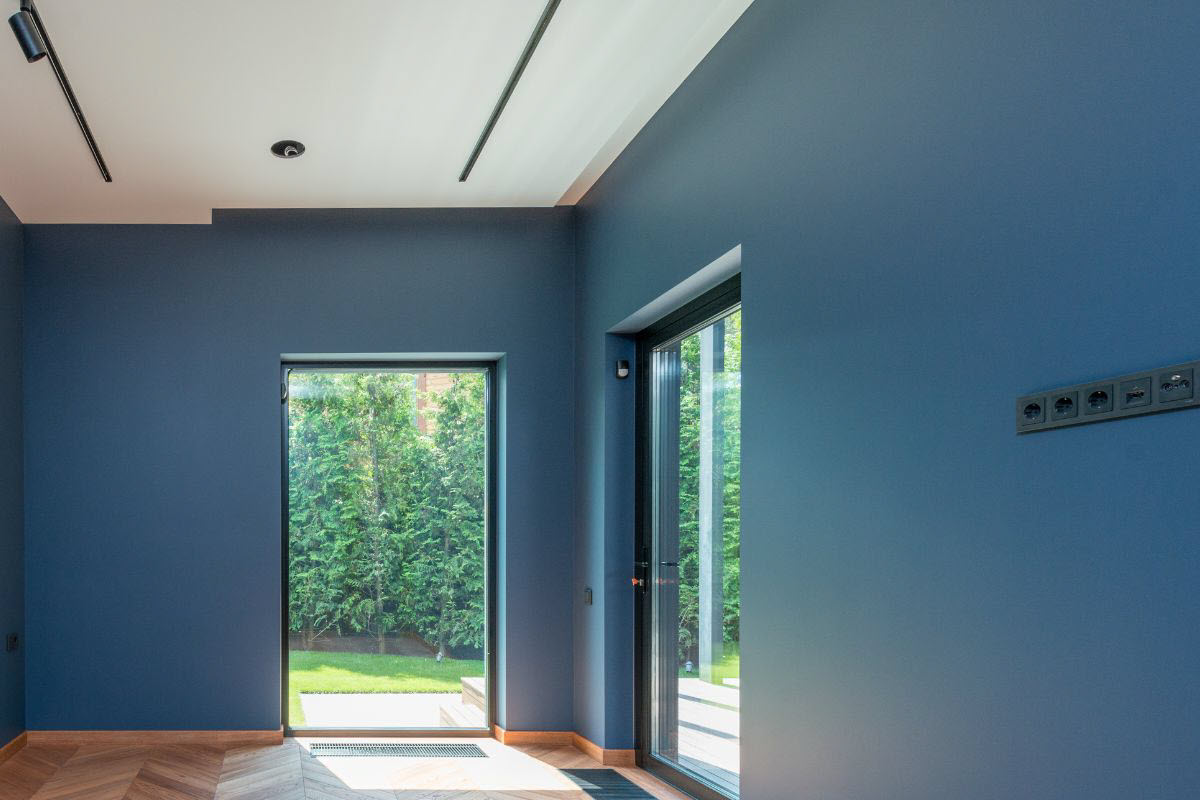
View colour samples in the actual room at different times of day: Melbourne’s shifting daylight can make the same colour appear warmer or cooler. Test a sample on the intended surface and assess it alongside flooring, joinery and furnishings. Follow https://melbpaint99346492.tearosediner.net/how-to-plan-painting-around-melbourne-s-gardens-and-landscaping label guidance for temperature, ventilation, recoating and curing. These checks help create a practical finish that suits the space, not just the sample card.
Melbourne House Painting Pros
2/147 Swan St, Richmond VIC 3121
(03) 4051 5313